From fire alarms to evacuation plans, US offices must comply with strict regulations to minimize risk and meet insurance and legal standards.
We’ll explain why training matters, how to prepare for inspections, and what best practices help businesses stay compliant year after year.
Read on to discover what training your team needs.
Why Fire Safety Matters in US Offices
Fires can happen anywhere, and offices are no exception.
Companies that prioritize fire prevention demonstrate responsibility, enhance employee trust, and maintain business continuity.
In the US, workplace fire safety is regulated by a mix of national standards (like NFPA guidelines) and local fire codes.
How Fire Brigade Training Prepares Offices for Emergencies
In the US, fire warden (sometimes called fire brigade) training equips designated employees with the knowledge and skills to lead evacuations, assist during emergencies, and communicate effectively with first responders.
Training requirements vary depending on local regulations, building size, and occupancy type.
Well-trained fire wardens not only enhance safety but also help organizations pass compliance inspections, reducing legal and insurance risks.
How to Prepare for Fire Safety Certification and Renewals
Certification often includes on-site inspections and review of safety documentation.
Check that all fire extinguishers are inspected and tagged, alarms are functioning, and exit routes are unobstructed.
Proactive preparation not only simplifies renewals but also ensures continuous protection for your workplace.
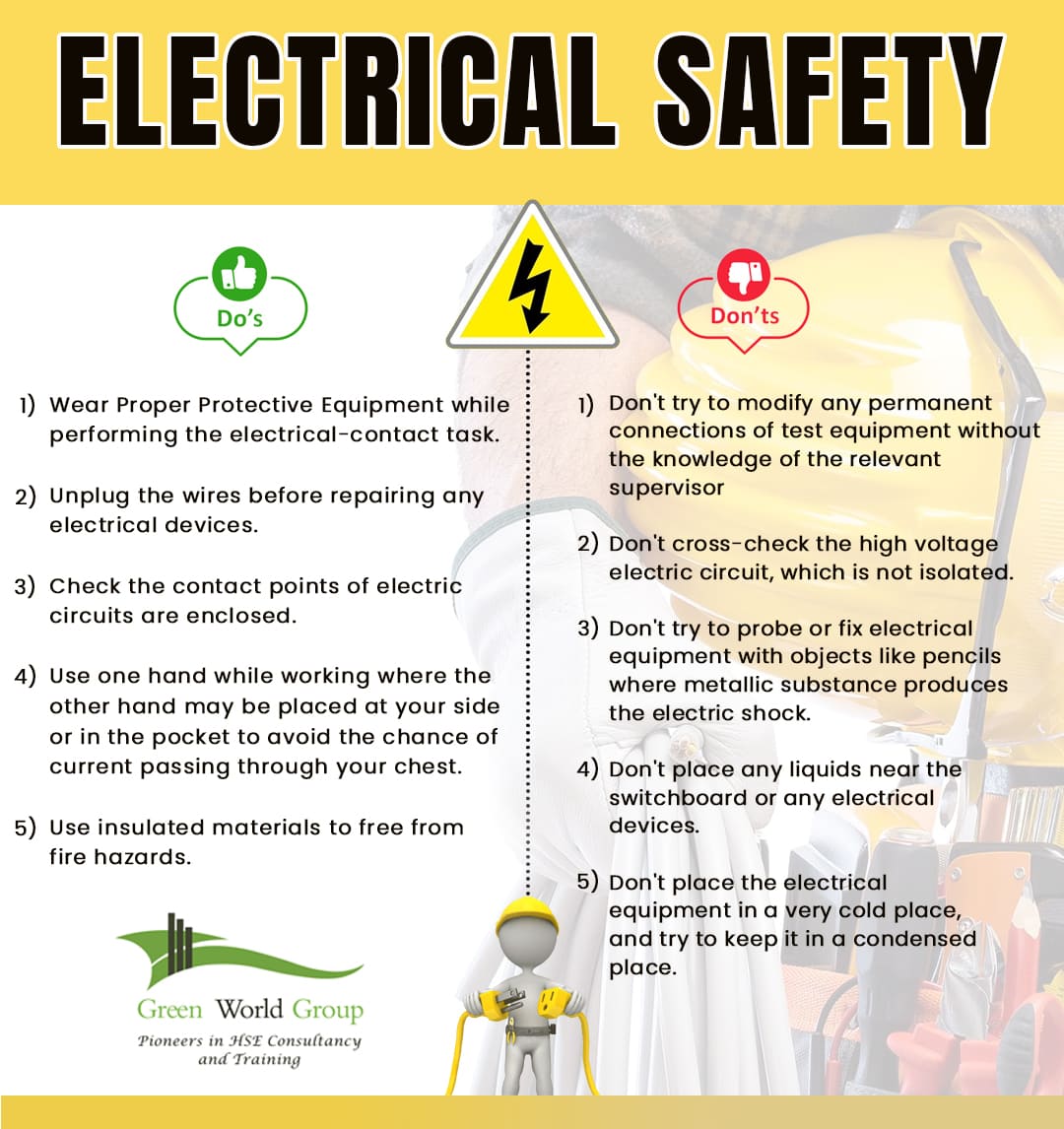
How to Keep Your Office Fire-Safe Every Day
Fire safety isn’t just about passing inspections—it’s about maintaining vigilance every day.
Ensure that emergency exits remain unlocked, clearly marked, and free of obstructions at all times.
Host periodic refresher trainings, conduct surprise fire drills, and encourage team leaders to review emergency plans during staff meetings.
Why Compliance Matters for Liability and Coverage
Failing to meet fire safety standards can have severe legal and financial consequences for US businesses.
In the event of a fire, inadequate documentation or proven negligence may result in denied claims, leaving businesses to cover damages out of pocket.
By prioritizing fire safety, businesses demonstrate responsibility and reduce the risks of costly legal and financial setbacks.
Conclusion: Building a Fire-Safe Workplace
Creating a fire-safe workplace is not just about ticking regulatory boxes—it’s about protecting lives, preserving property, and fostering a culture of responsibility.
By investing in fire warden training, maintaining up-to-date certifications, and conducting regular safety audits, organizations position themselves for long-term success.
As fire risks evolve and workplace environments change, staying proactive is essential.
Common Questions on Workplace Fire Prevention
Who needs fire warden training in a US office?
However, all employees should receive basic fire safety orientation and know evacuation procedures.
How often should fire safety certifications be renewed?
Some certifications also need updates after renovations, equipment changes, or occupancy shifts.
What triggers most workplace fires in the US?
Good housekeeping and equipment maintenance are key to fire prevention.
Can non-compliance void my business insurance?
Failing to meet these standards may reduce payout or lead to denied claims in case of a fire.
What elements make up a solid fire emergency plan?
It should be clearly communicated, posted in visible areas, and reviewed regularly with staff.
curso de brigada de incêndio veja o site